



News
Precision Matters: Understanding the Role of Analytical Balances in Chemical Laboratories
2025-03-04
In the realm of chemical analysis and research, the analytical balance is an indispensable instrument. With a precision of 0.01 mg, these balances are designed to provide highly accurate measurements, which are crucial for various applications ranging from quantitative analysis to formulation development. Understanding how to effectively utilize an analytical balance can significantly enhance the quality of laboratory work.
One of the most notable advantages of an analytical balance with a sensitivity of 0.01 mg is its ability to measure minute quantities of substances. This level of precision allows chemists to conduct experiments with a high degree of accuracy, minimizing errors that could arise from less sensitive instruments. For example, in the preparation of standard solutions or when conducting quantitative chemical analyses, even the slightest deviation in weight can lead to significant variations in results. Therefore, the analytical balance becomes a vital tool in ensuring that precise measurements are obtained.
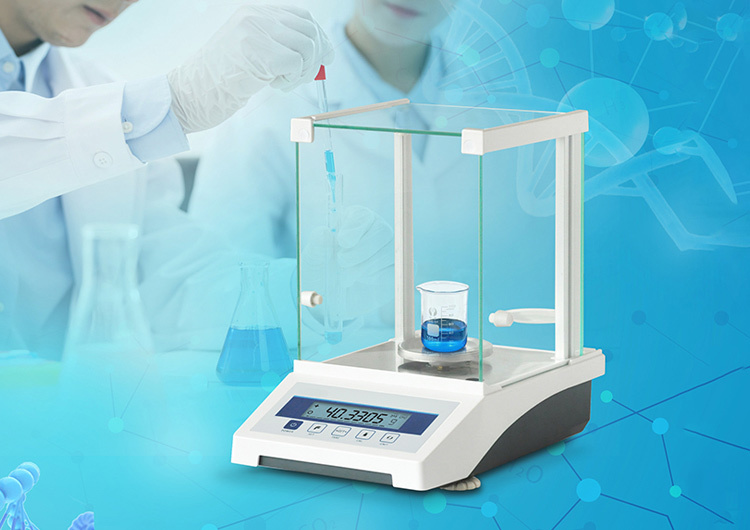
Moreover, the design and features of modern analytical balances contribute greatly to their accuracy. Most analytical balances come equipped with draft shields to prevent air currents from affecting the measurement, as well as built-in calibration systems to ensure the device remains accurate over time. Users should familiarize themselves with these functionalities to optimize the balance's performance and maintain its accuracy.
Maintaining the analytical balance is equally important. Regular calibration, routine cleaning, and proper handling are necessary practices to ensure that the instrument continues to function at its best. It is essential to avoid placing heavy objects on the balance and to handle samples with care to prevent damage to the sensitive weighing pan.
In addition to their application in qualitative and quantitative analysis, analytical balances are also used in the production of pharmaceuticals and chemicals, where precision is not just a matter of accuracy but also of regulatory compliance. The ability to measure substances with a sensitivity of 0.01 mg ensures that products meet strict industry standards.
In conclusion, the analytical balance with a sensitivity of 0.01 mg is an essential instrument in chemical laboratories, facilitating accurate and reliable measurements necessary for high-quality research and production. Understanding its features, maintaining it properly, and utilizing it effectively can lead to better outcomes in laboratory work and ensure that the integrity of the data collected remains intact. By prioritizing precision in measurements, chemists can enhance their research and contribute significantly to advancements in the chemical industry.
One of the most notable advantages of an analytical balance with a sensitivity of 0.01 mg is its ability to measure minute quantities of substances. This level of precision allows chemists to conduct experiments with a high degree of accuracy, minimizing errors that could arise from less sensitive instruments. For example, in the preparation of standard solutions or when conducting quantitative chemical analyses, even the slightest deviation in weight can lead to significant variations in results. Therefore, the analytical balance becomes a vital tool in ensuring that precise measurements are obtained.
Moreover, the design and features of modern analytical balances contribute greatly to their accuracy. Most analytical balances come equipped with draft shields to prevent air currents from affecting the measurement, as well as built-in calibration systems to ensure the device remains accurate over time. Users should familiarize themselves with these functionalities to optimize the balance's performance and maintain its accuracy.
Maintaining the analytical balance is equally important. Regular calibration, routine cleaning, and proper handling are necessary practices to ensure that the instrument continues to function at its best. It is essential to avoid placing heavy objects on the balance and to handle samples with care to prevent damage to the sensitive weighing pan.
In addition to their application in qualitative and quantitative analysis, analytical balances are also used in the production of pharmaceuticals and chemicals, where precision is not just a matter of accuracy but also of regulatory compliance. The ability to measure substances with a sensitivity of 0.01 mg ensures that products meet strict industry standards.
In conclusion, the analytical balance with a sensitivity of 0.01 mg is an essential instrument in chemical laboratories, facilitating accurate and reliable measurements necessary for high-quality research and production. Understanding its features, maintaining it properly, and utilizing it effectively can lead to better outcomes in laboratory work and ensure that the integrity of the data collected remains intact. By prioritizing precision in measurements, chemists can enhance their research and contribute significantly to advancements in the chemical industry.
Related News
Mobile Website


Copyright © 2023 Changzhou Xingyun Electronic Equipment Co.,Ltd. Powered by:www.300.cn Tags
Business License